


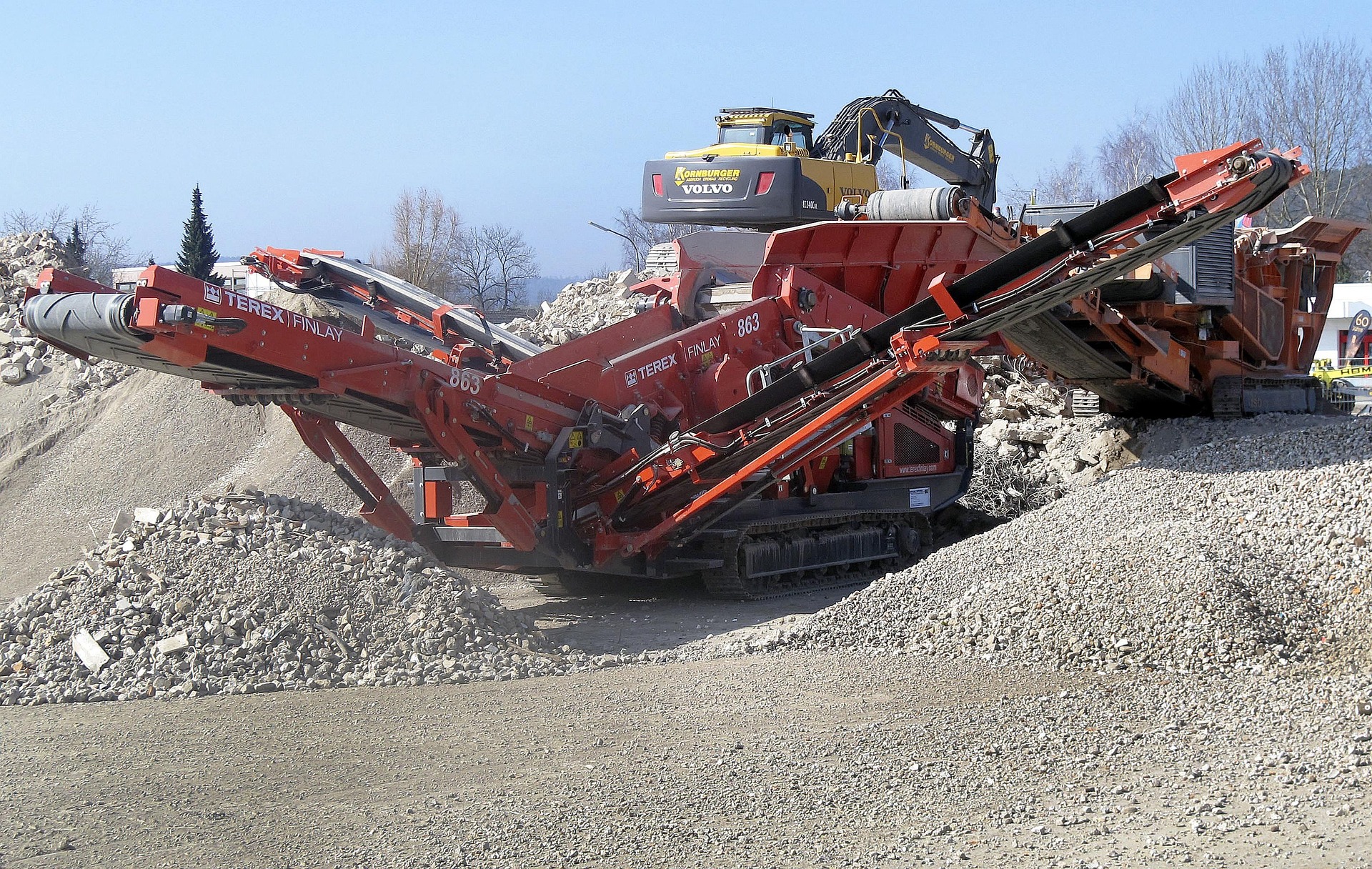
If you visit enough crusher plants, a pattern becomes clear very quickly.
Most losses do not come from breakdowns or poor stone quality. They come from decisions made before the first machine is even installed.
The plant starts well. Output looks fine. After a few months, production drops, wear increases, power bills rise, and everyone starts adjusting settings again and again.
In most cases, the machines are not the problem.
The setup is.
Below are some of the most common mistakes seen while setting up crusher plants and how they quietly cost money over time.
Mistake 1: Choosing Crusher Size Only by TPH Numbers
This mistake usually starts with a simple question.
“How many tonnes per hour do we need?”
Capacity is important, but it is not the full picture.
Many plants select crushers purely based on advertised TPH figures without properly considering feed size, material hardness, moisture content, or variability in stone.
What happens next is predictable.
- Crushers run overloaded
- Wear parts fail earlier than expected
- Output fluctuates throughout the shift
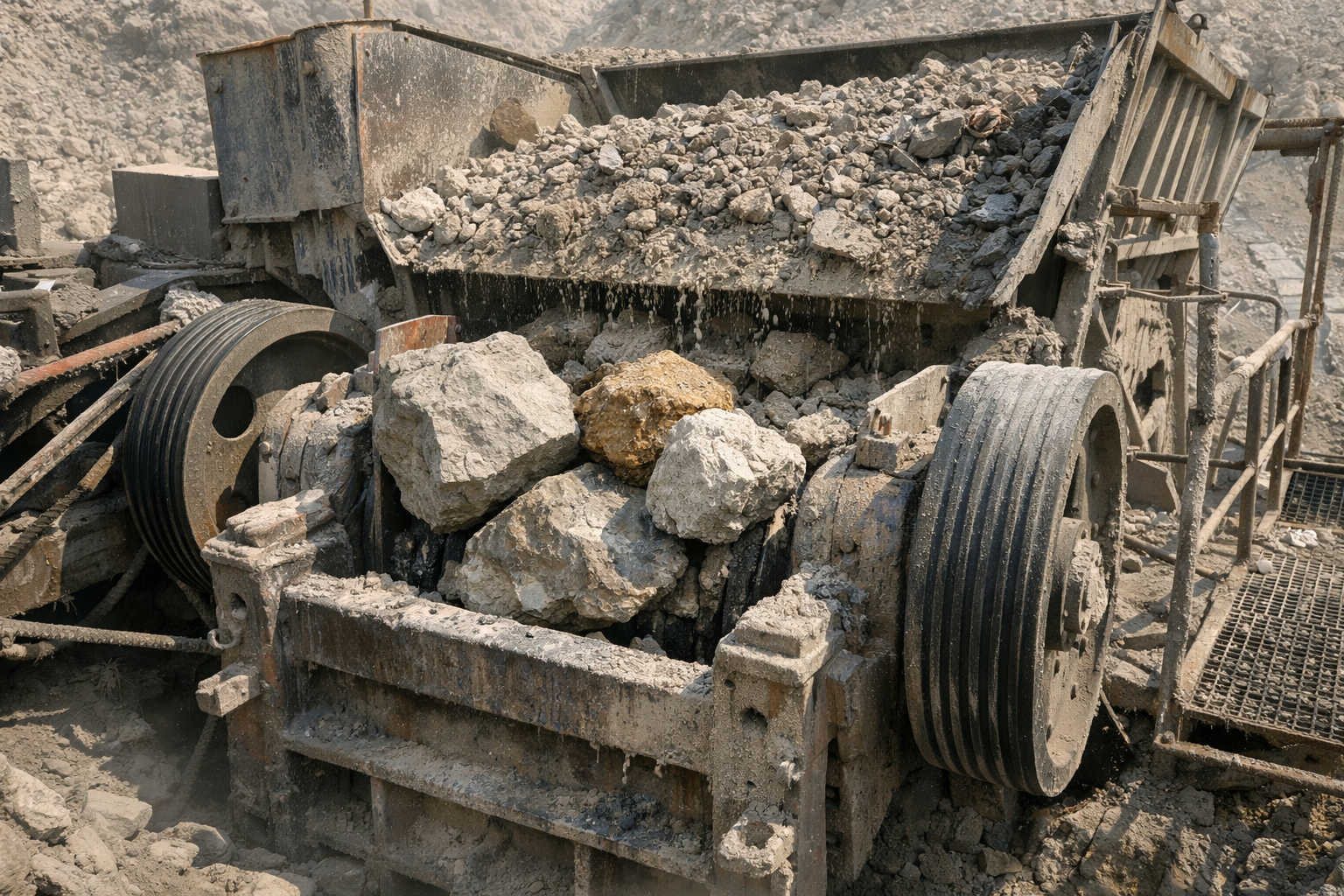
TPH figures are achievable only under controlled conditions. Real quarry material is rarely consistent.
Cost impact:
Higher wear cost and frequent stoppages within the first few months of operation.
Mistake 2: Wrong Crusher Sequence
To reduce investment or simplify layout, some plants try to skip stages.
A jaw crusher is pushed to do too much work.
A cone crusher is forced to accept oversized feed.
In some cases, a VSI is expected to behave like a primary crusher.
Every crusher is designed for a specific task. Breaking, sizing, and shaping are not the same job.
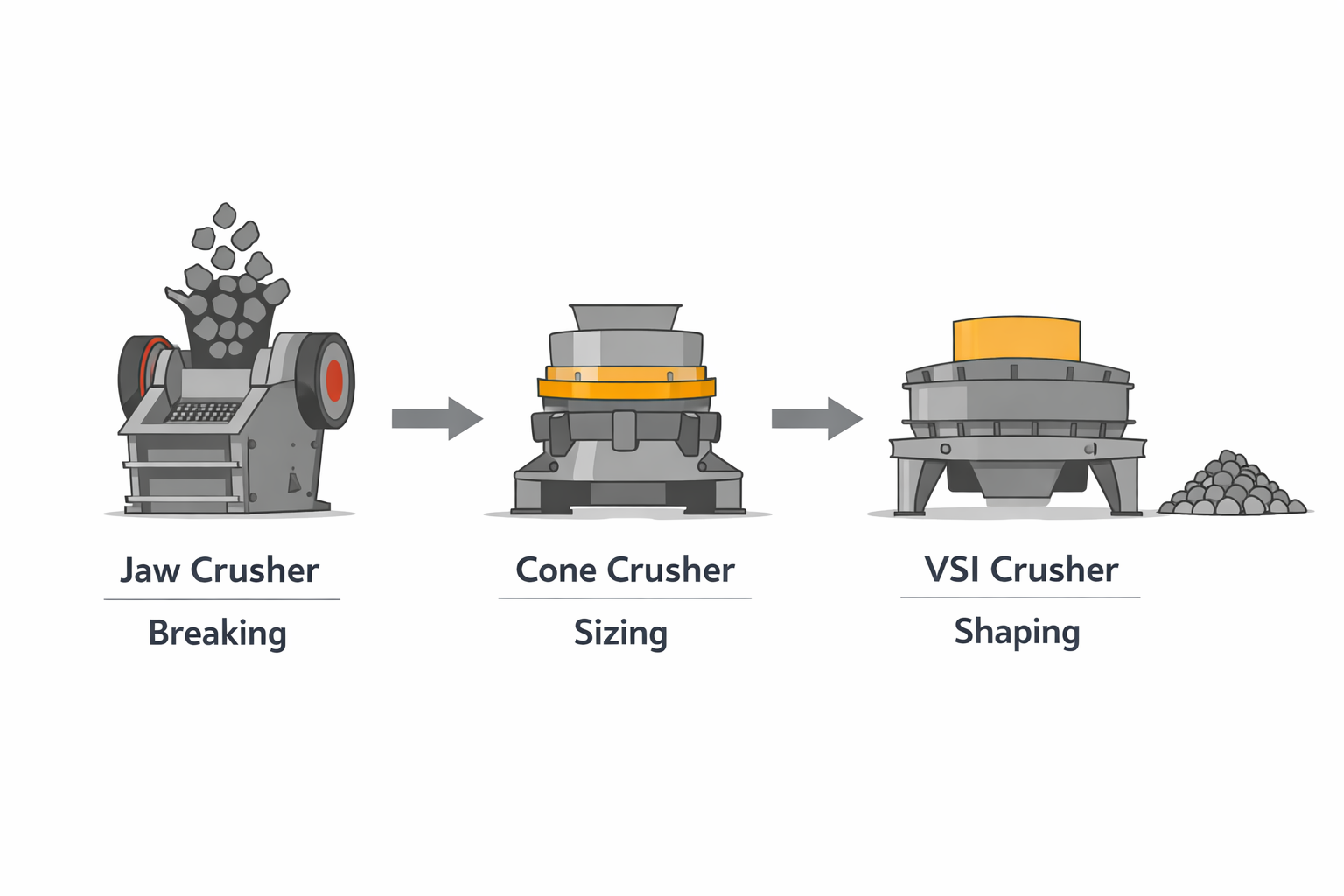
When the sequence is wrong:
- Load shifts to the wrong machine
- Energy consumption rises
- Final product quality becomes unstable
Cost impact:
Higher power consumption and reduced value of the final material.
Mistake 3: Ignoring Feed Gradation and Flow
Feed quality affects crusher performance more than most people expect.
Uneven feeding causes choking, liner damage, and sudden power spikes. Yet feeder selection and screening before crushing are often treated as secondary decisions.
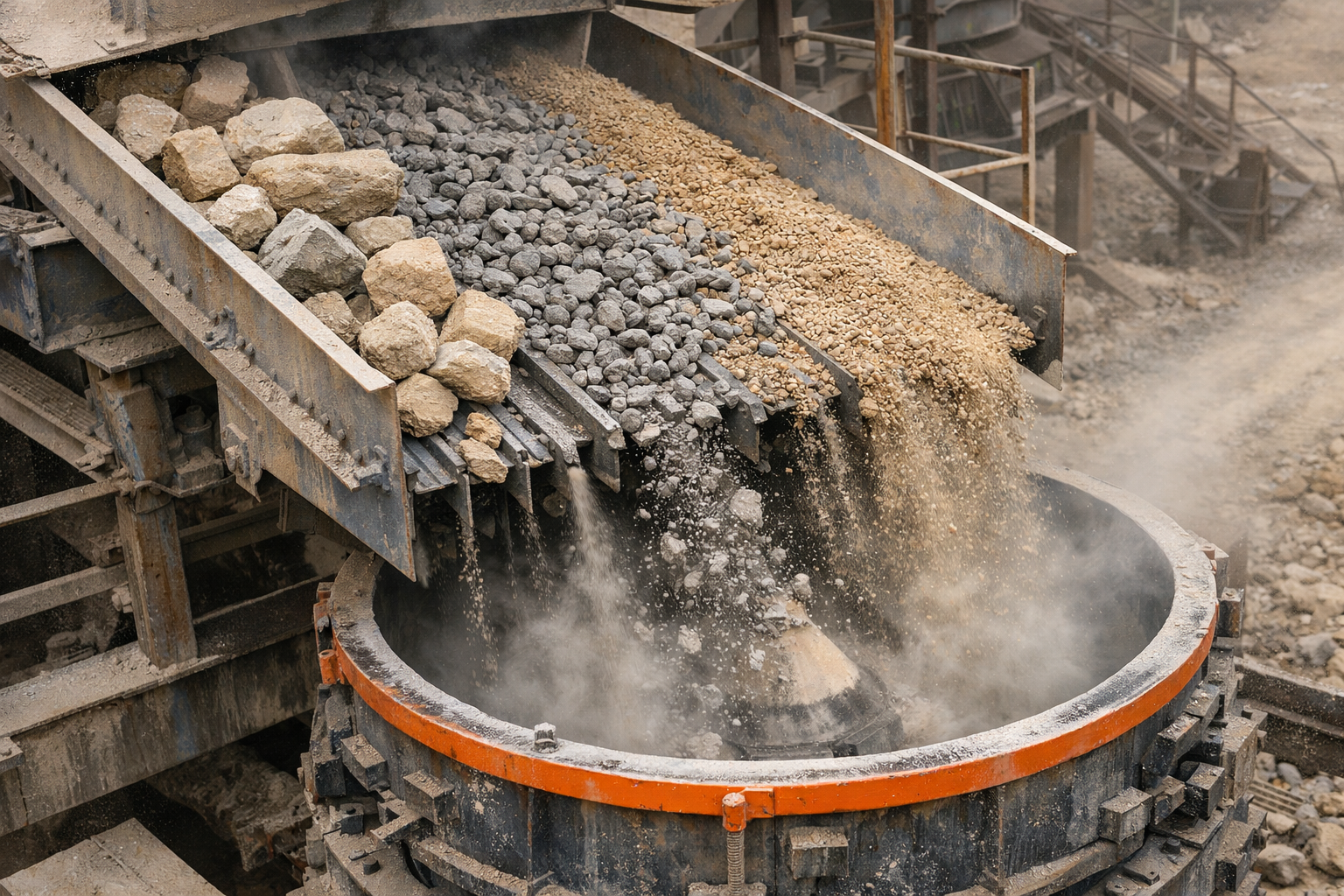
Even a high-quality crusher cannot perform well if the feed is inconsistent.
Cost impact:
Unexpected shutdowns and uneven production across shifts.
Mistake 4: Underestimating Wear Costs
Initial machine price often gets the most attention. Wear cost does not.
After a few months, reality sets in.
- Liners need replacement sooner than expected
- Spare parts are delayed or expensive
- Cheap wear parts increase downtime
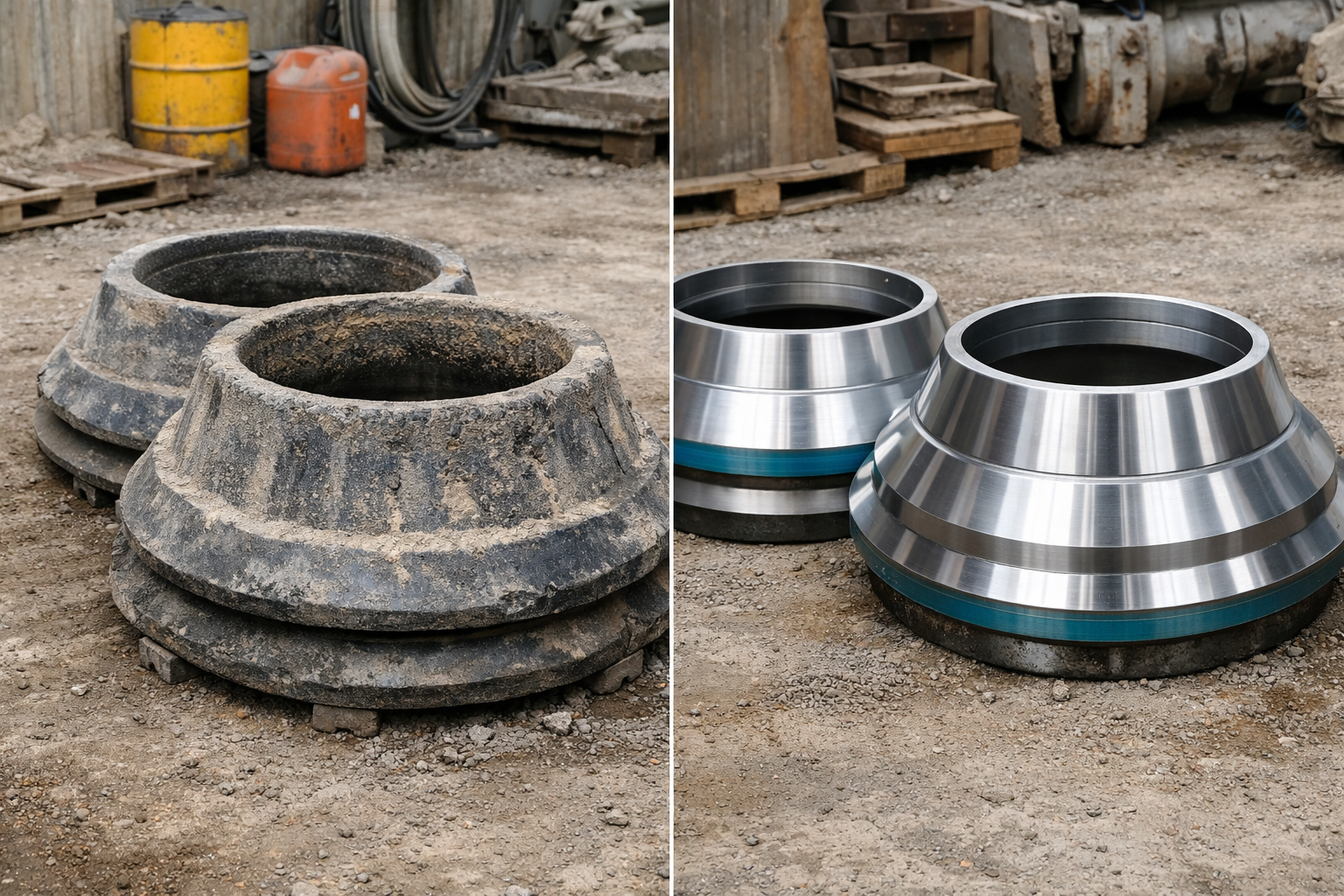
Wear cost is not a one-time expense. It is a continuous operating cost that directly affects profitability.
Cost impact:
Rising monthly operating expense without any increase in output.
Mistake 5: Treating Conveyors as Secondary Equipment
Crushers usually get all the focus. Conveyors are selected later, often with budget cuts.
This creates problems.
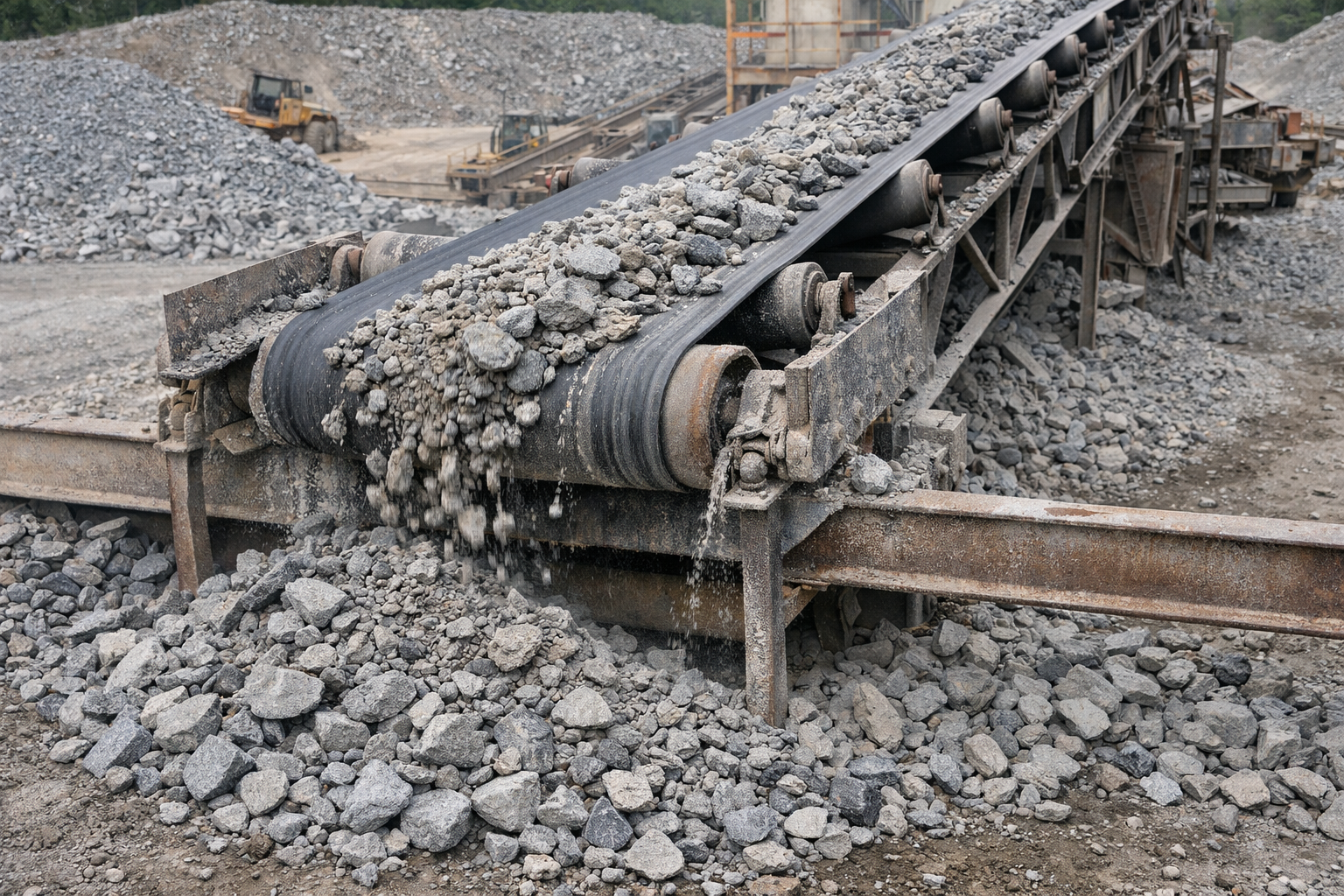
- Bottlenecks form between stages
- Material spillage increases
- Feed to crushers becomes inconsistent
A crusher can only perform as well as the system feeding and carrying its output.
Cost impact:
Lost production time and higher maintenance effort across the plant.
Mistake 6: No Clear Plan for Final Product Use
Many plants are designed without clearly defining where the material will be used.
Road base, concrete aggregates, and manufactured sand all have different shape and grading requirements.
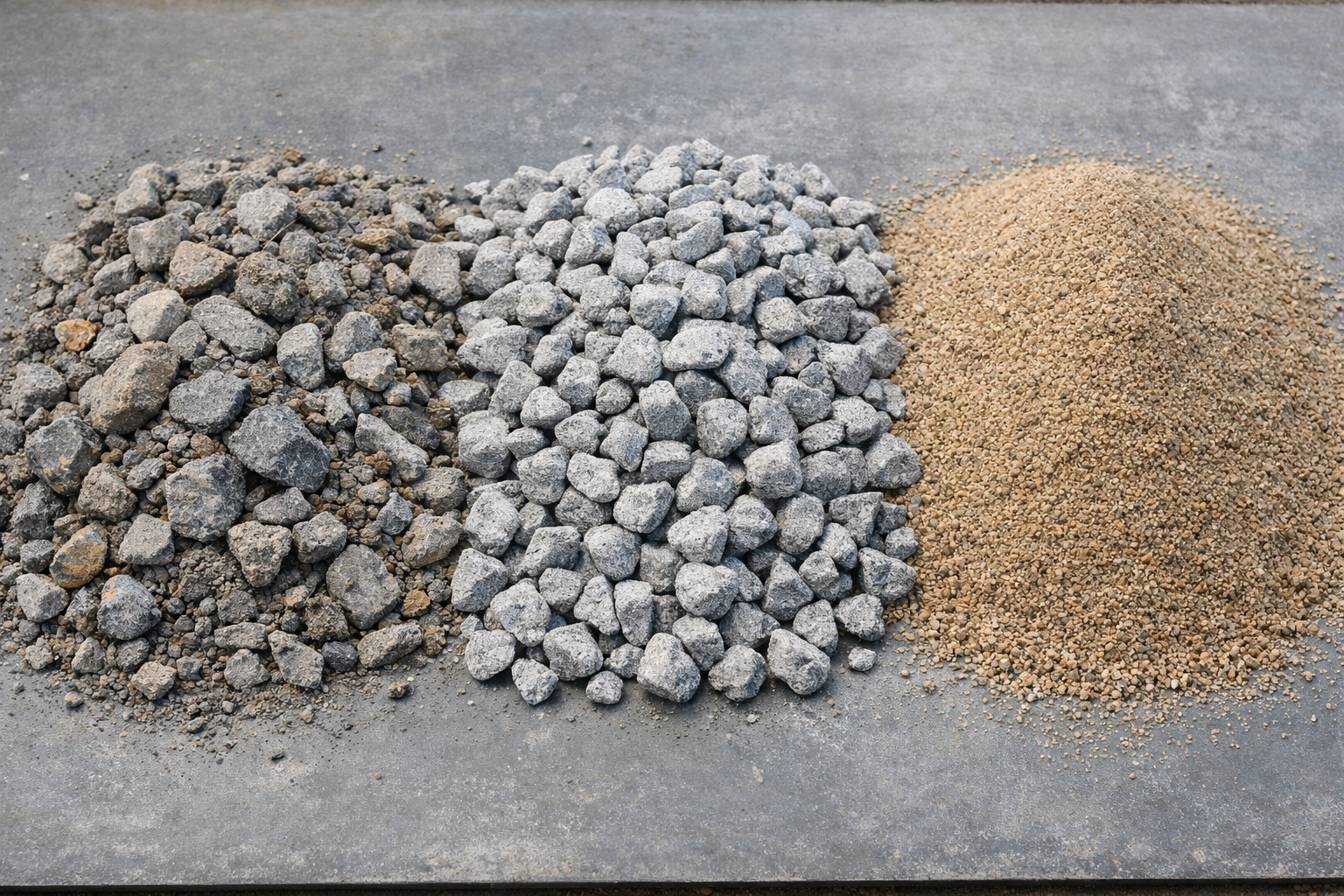
Without a clear end-use plan:
- Wrong crusher types are selected
- VSI stage is skipped or added too late
- Rejection rates increase
Cost impact:
Lower selling price due to off-spec material.
Mistake 7: Overlooking Maintenance Access
Layout planning often focuses on compactness, not serviceability.
Tight spaces, poor lifting access, and difficult liner replacement areas slow down routine maintenance. When maintenance becomes difficult, it also gets delayed.
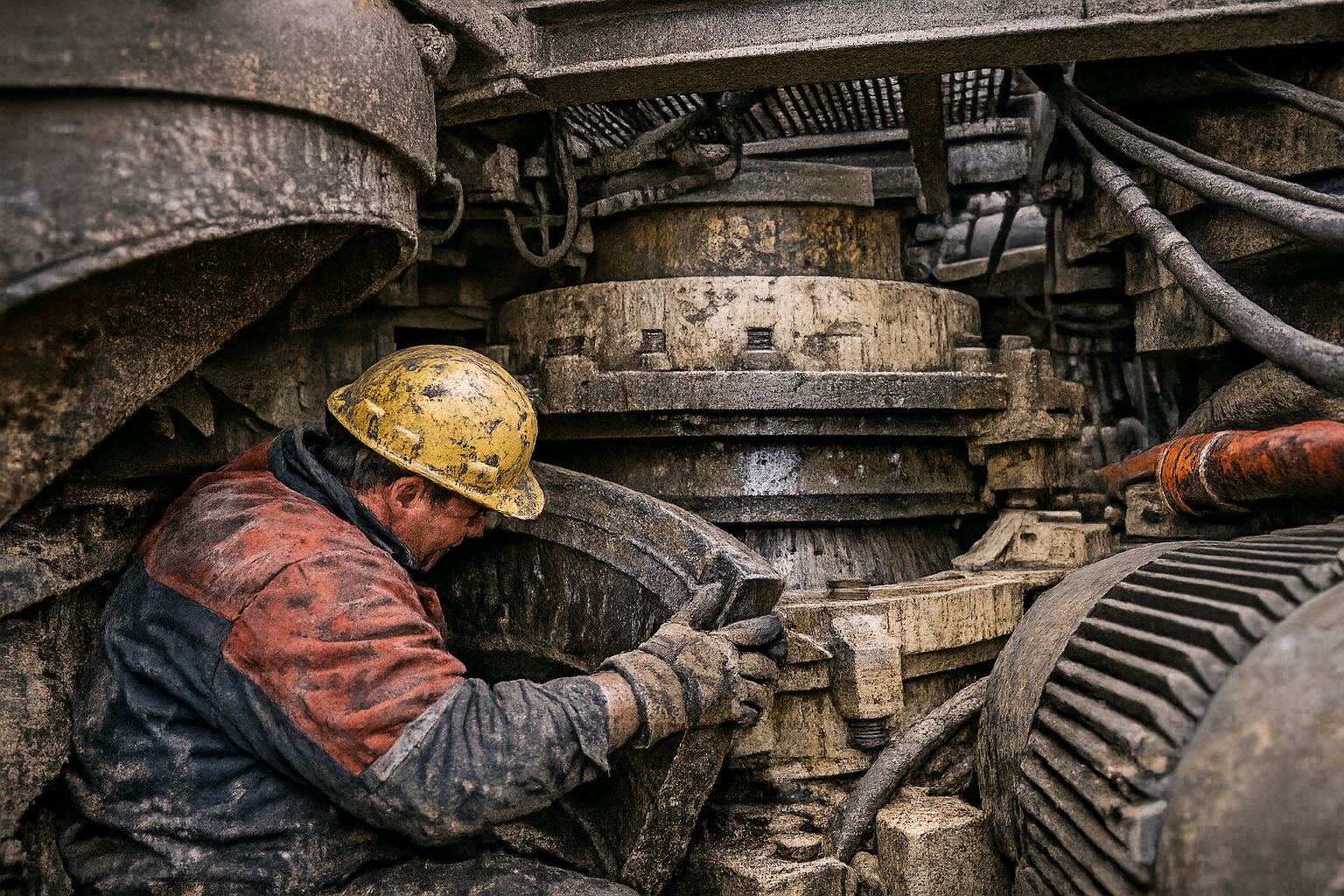
Cost impact:
Longer downtime during routine service and breakdowns.
Why These Mistakes Are So Expensive
None of these mistakes shut a plant down immediately. That is what makes them dangerous.
They slowly:
- Increase wear
- Reduce output consistency
- Raise power consumption
- Lower final product value
By the time the issue becomes obvious, months of efficiency have already been lost.
Where to Look When You Are Ready to Buy
Once plant owners understand these mistakes, the next question usually comes up.
Who should you speak to before investing?
The safest approach is to work with equipment suppliers who look beyond machine pricing and capacity charts. Good suppliers spend time understanding:
- Your material type and feed variation
- Site layout and space constraints
- Final product requirement
- Expected wear cost over time
- After-sales support and spare availability
Suppliers who ask detailed questions early are usually trying to prevent problems later.
Before finalizing any purchase, it helps to ask for:
- Reference installations with similar material
- Clarity on wear life, not just output
- Support structure after installation
- Willingness to adjust configuration if site conditions change
Buying equipment is easy.
Buying the right setup is what protects your investment.
Final Thoughts
Setting up a crusher plant is not about choosing the biggest or cheapest machines. It is about matching the right equipment to the right job at the right stage.
Jaw crushers break stone.
Cone crushers control size.
VSI crushers shape the final product.
Most costly mistakes are made before the first stone is crushed.
Getting the setup right at the beginning saves years of adjustment, downtime, and unnecessary expense later.
If you are planning a new crusher plant or modifying an existing one, reviewing these points early can make the difference between a struggling operation and a profitable one.
 English
 Hindi
Hindi Arabic
 Chinese (Simplified)
 Dutch
Dutch French
 German
 Italian
 Portuguese
 Russian
 Spanish